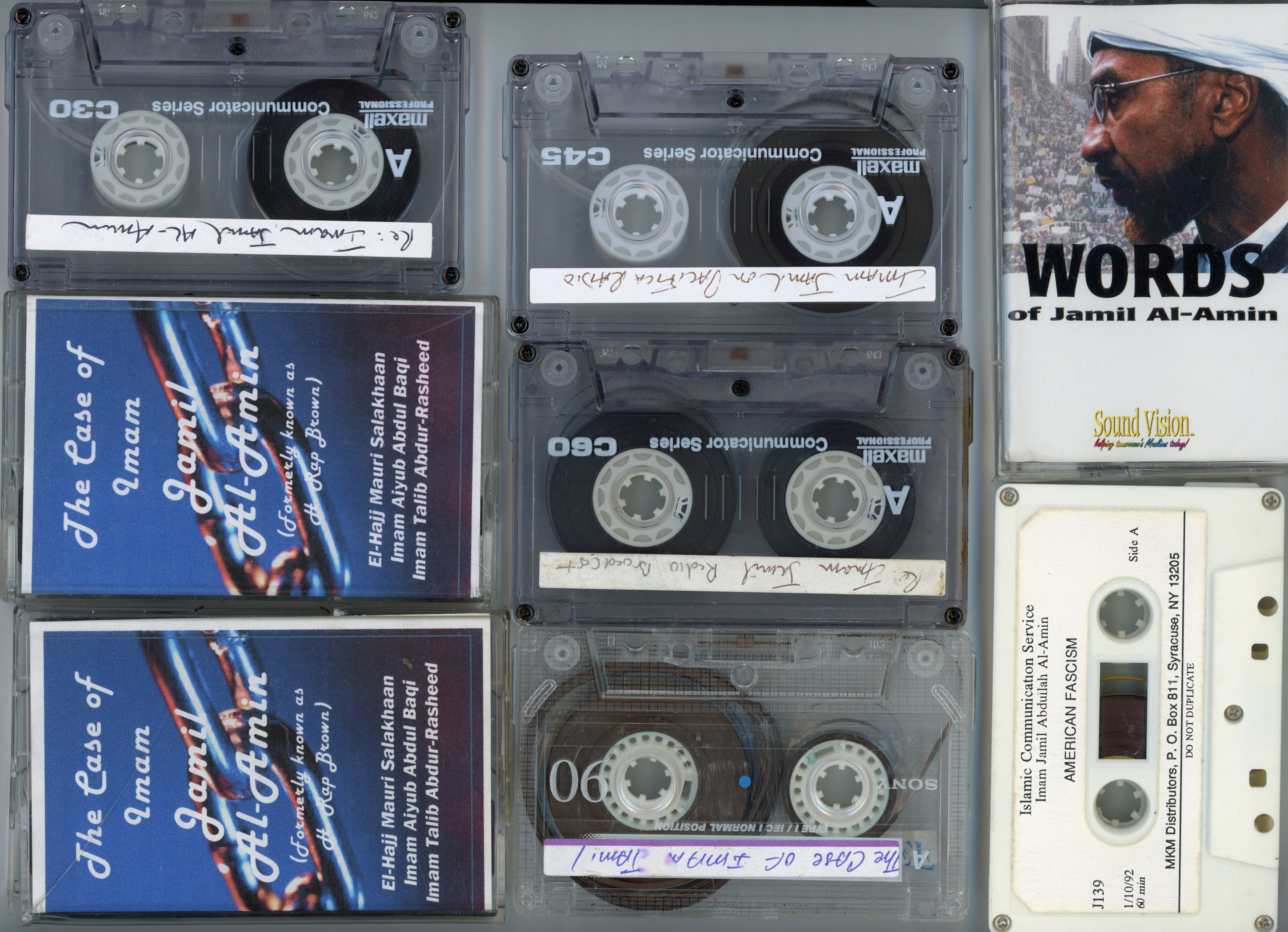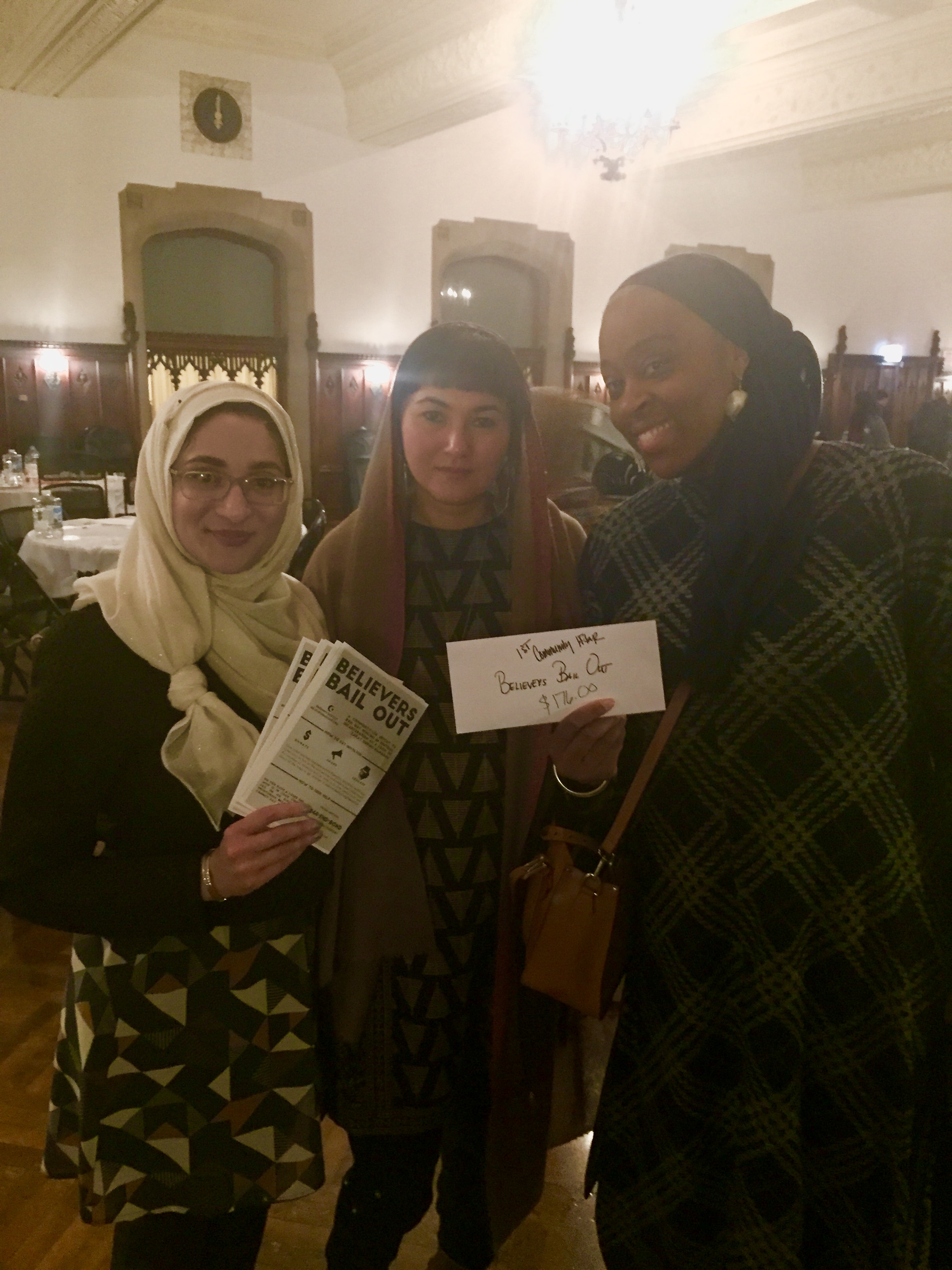
"The prison is a major node in what we call the 'carceral state,' a concept that describes a place like the United States, where criminalization and punishment are the primary tools for social control — to maintain an unequal status quo."
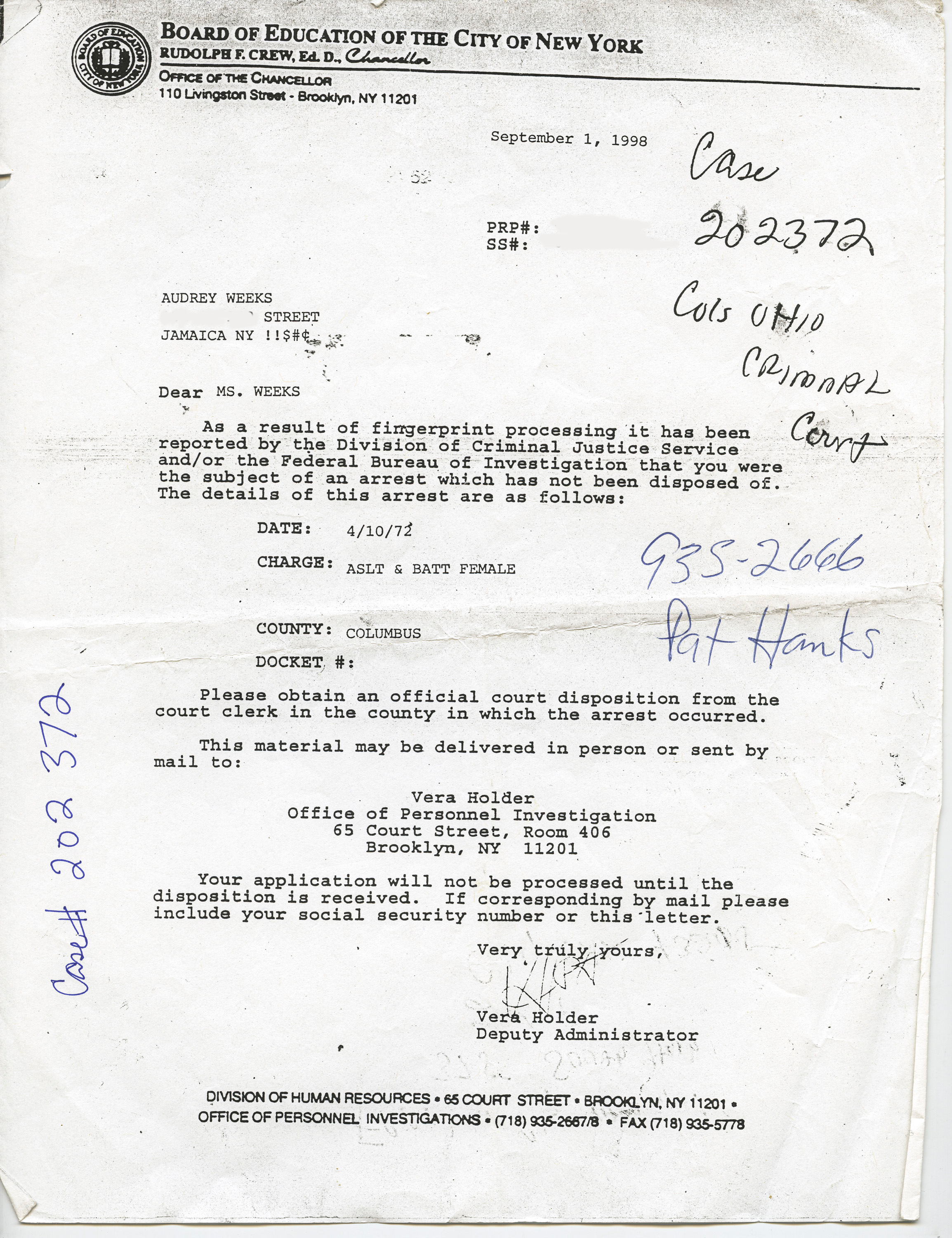
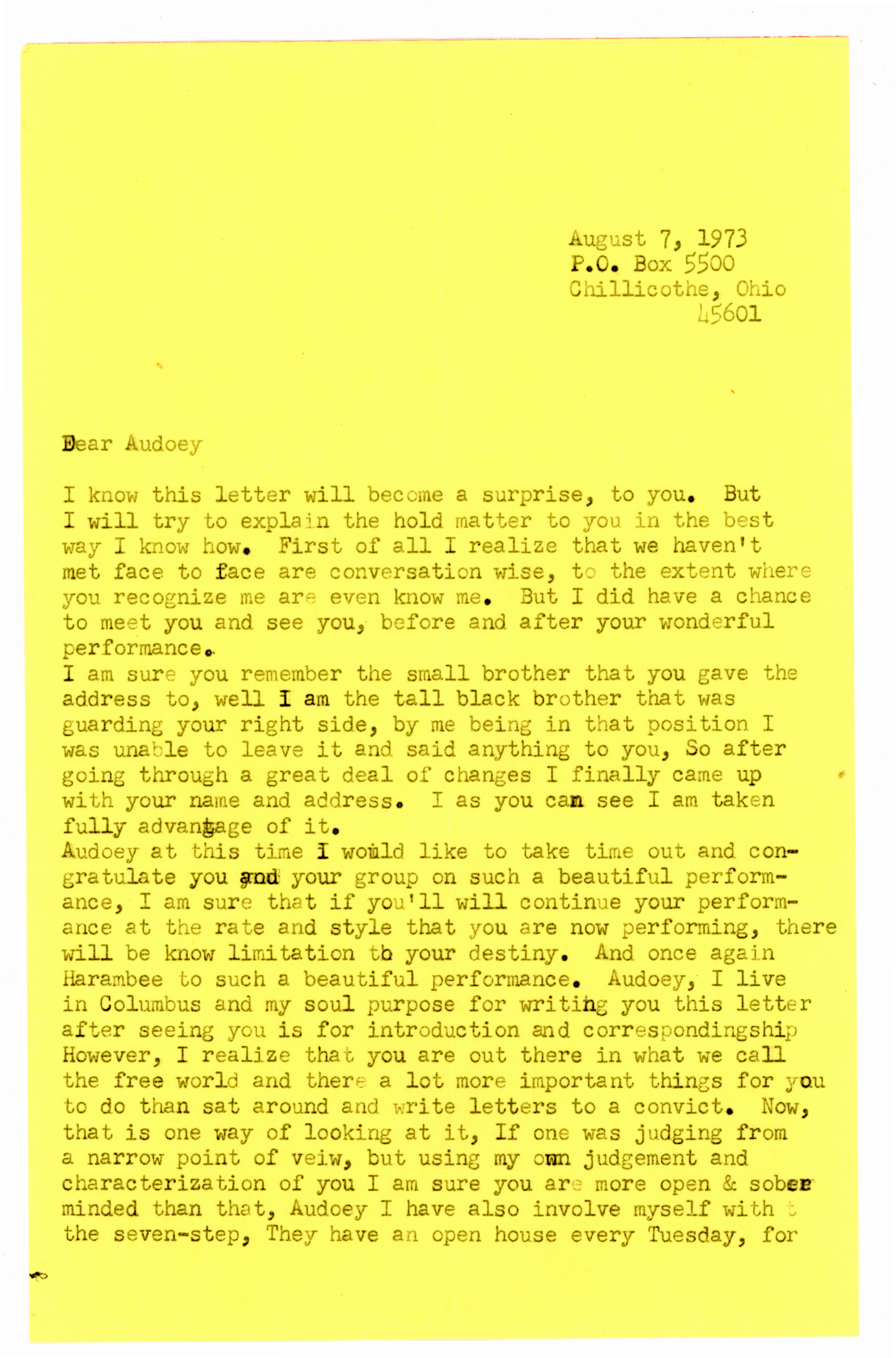
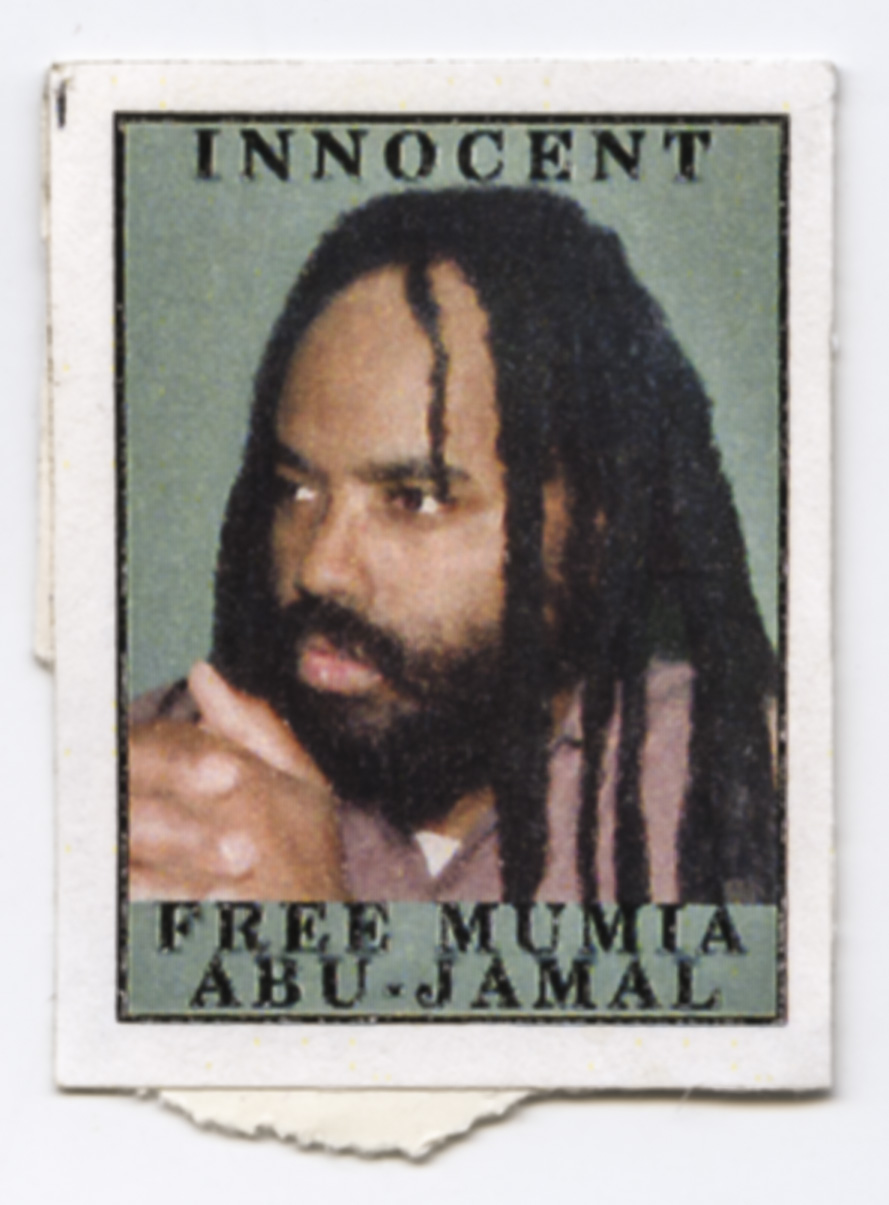
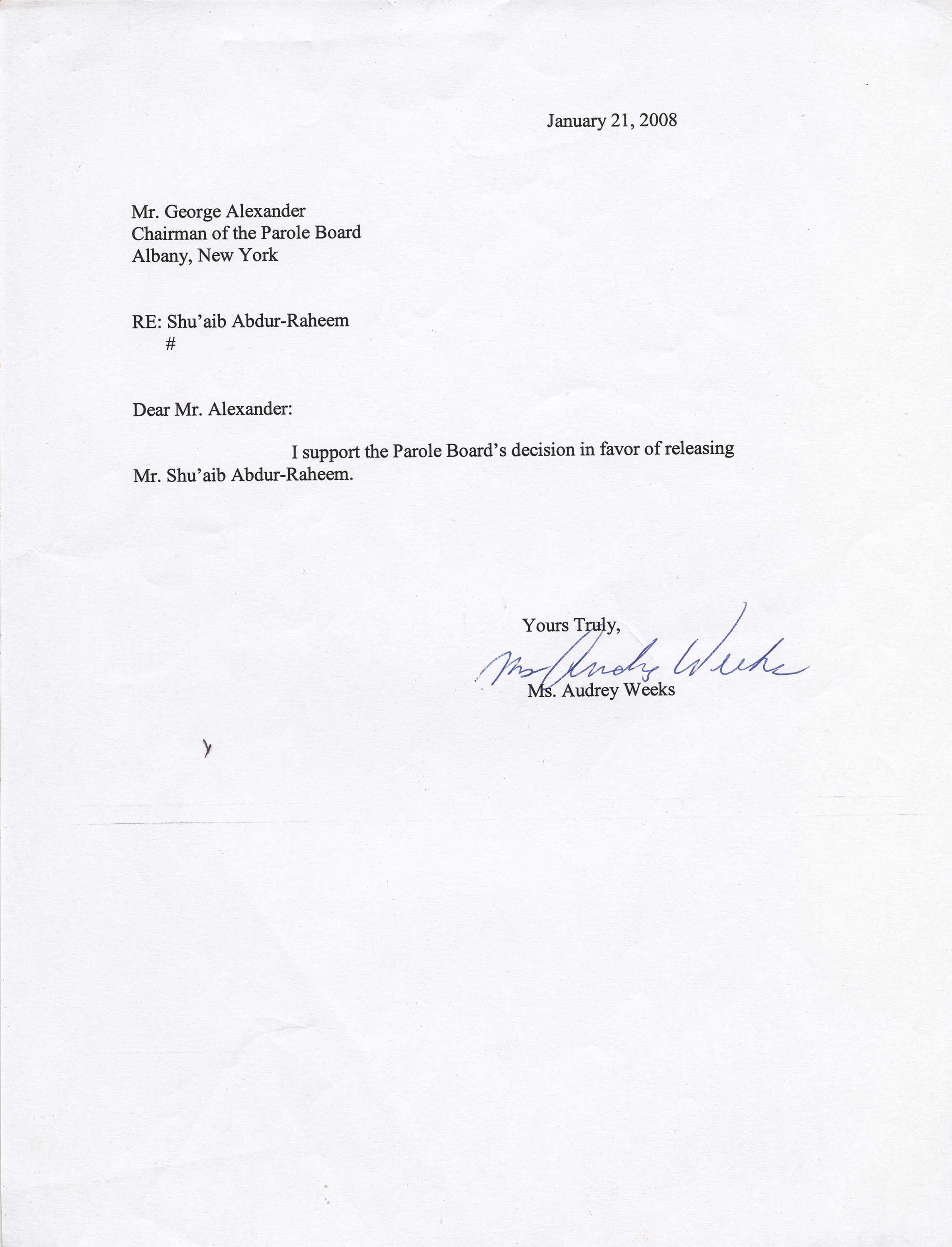
The prison is an institution that does a lot of damage to Black people. The prison is a major node in what we call the "carceral state," a concept that describes a place like the United States, where criminalization and punishment are the primary tools for social control — to maintain an unequal status quo. So it's about prisons, but more than just the prisons. In the US and elsewhere, Black people have been targets of the carceral state, where the criminal is always Black and the punishment that fits the crime is always the most inhumane. All of this has made the prison a central place in Black life — even if one has never set foot in one. And like so many of Black interactions with the sites of white supremacy, the prison is a site of punishment and a site of resistance. And for many who become Muslim on the inside, it's also a place of rebirth — a place that strengthens one to keep up the fight. Going through Umi's archive, I found the prison (and the carceral state) was also a motif in her life. Not because she was ever incarcerated, but because she was a Black woman with a particular set of political and spiritual commitments.